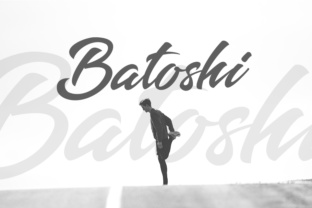
Batoshi: A Modern Script Font for Makers
There is a specific kind of quiet satisfaction that comes from watching a design file transform into a physical object. Last Tuesday, I was finalizing the label layout for a small batch of soy wax candles intended for a local holiday market. I had tried three different typefaces already, but they all felt either too rigid or too whimsical for the minimalist aesthetic I was aiming for. That is when I loaded Batoshi, a modern hand-lettered font that immediately changed the tone of the entire project. As someone who regularly tests new Fonts for both personal crafts and client branding projects, I look for typefaces that bridge the gap between artistic flair and commercial viability. Batoshi fits squarely into the Script Handwritten category, yet it carries a contemporary edge that feels fresh rather than dated. This review explores how this typeface performs on real-world materials, from packaging to digital assets, and why it might become a staple in your creative toolkit.
Using Batoshi for Elegant Product Packaging and Labels
When you are designing packaging for handmade goods, the typography often does the heavy lifting in communicating quality. I applied Batoshi to a series of candle labels and boutique gift tags to test its legibility and visual impact. The font’s strokes are confident and fluid, mimicking the natural movement of a brush pen but with the consistency required for professional printing. In the context of branding, this consistency is crucial. Unlike some overly decorative scripts that can appear messy when scaled down, Batoshi maintains its integrity on smaller surfaces like jar lids and product hang-tags. The Script Handwritten style adds a human touch, suggesting that the product inside was made with care, which is exactly the emotional connection craft sellers want to establish with their customers. For those creating logos for beauty products, bakeries, or floral studios, this font offers a sophisticated backdrop that allows simple iconography to shine without competing for attention.
Creating Standout Wedding Invitations and Stationery
The wedding industry relies heavily on the perceived elegance of typography, and Batoshi excels in this high-stakes environment. I used the font to draft a sample suite for a modern rustic wedding invitation, pairing it with a clean, lightweight sans serif for the body text. The contrast was striking. Batoshi handled the couple’s names and main headers with grace, providing that sought-after calligraphic feel without the stiffness of traditional formal scripts. When working with Fonts for stationery, it is essential to consider how the letters connect and flow. This typeface features natural ligatures that prevent awkward gaps between characters, a common issue in lower-quality script fonts. Whether you are designing save-the-dates, menu cards, or place settings, Batoshi brings a level of polish that elevates the entire suite. It is particularly effective for short phrases and titles, where its decorative nature can be fully appreciated without overwhelming the reader. For invitation designers, this means less time tweaking kerning and more time focusing on layout composition.
Designing Eye-Catching Posters and Book Covers
Beyond small-scale items, Batoshi proves its versatility in larger format designs such as posters and book covers. I created a mockup for a contemporary romance novel cover to see how the font held up against complex background imagery. The boldness of the strokes ensured that the title remained readable even when overlaid on textured paper backgrounds. In editorial and cover design, the personality of the typeface must match the genre, and the modern vibe of Batoshi suits contemporary fiction, lifestyle guides, and creative journals perfectly. Its ability to function as a display font means it can stand alone as the primary visual element on a poster or flyer. For graphic designers working on promotional materials for events, workshops, or art exhibitions, this font offers a trendy yet timeless appeal. It avoids the clichés of older handwritten styles, making it a safe choice for clients who want a modern look that will not feel outdated in a few years.
Applying Batoshi to Apparel and Merchandise Mockups
One of the most popular categories for independent sellers is apparel, specifically t-shirts and tote bags. I tested Batoshi on a series of vinyl cut files for a hypothetical clothing line. The results were impressive, but with a caveat regarding size. Because it is a Script Handwritten font, intricate details can get lost if the design is too small. However, when used for chest logos or large back prints, the font looks fantastic. It adds a boutique feel to blank garments, transforming a basic tee into a branded piece of merchandise. For POD (Print on Demand) sellers, this font is ideal for quotes, brand names, and short motivational phrases. The key to success here is ensuring that the design is simplified enough for cutting machines like Cricut or Silhouette to handle smoothly. While Batoshi is not suitable for dense paragraphs or tiny instructional text, it shines in applications where impact and style are prioritized over volume of text. This makes it a strong candidate for social media graphics and digital downloads as well, where visual appeal drives engagement.
Practical Tips for Pairing and Readability
To get the most out of Batoshi, understanding its limitations and strengths is vital for any creator. As a display-focused Script Handwritten font, it should primarily be used for headlines, logos, and decorative elements. Avoid using it for long blocks of text, such as ingredient lists on food packaging or detailed product descriptions, as readability will suffer. Instead, pair it with a neutral sans serif or a classic serif font to create balance. This combination ensures that the eye is drawn to the important information while still enjoying the artistic flair of the script. When preparing files for print or cut, always check the spacing and ensure that connecting letters are properly welded if you are using vinyl. For digital use, such as web design or social media posts, Batoshi loads quickly and renders clearly on screens. Before launching any commercial product, verify the licensing terms included with the font to ensure it covers your specific use case, whether that is physical goods, digital templates, or end-product sales. By respecting these guidelines, you can leverage Batoshi to create cohesive, professional, and emotionally resonant designs that stand out in a crowded marketplace.