Elisa: A Modern Script Handwritten Font for Editorial Design
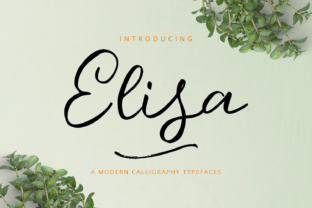
Elisa stands out as a versatile choice among modern Fonts, offering a distinct blend of approachability and professional polish. As a Script Handwritten typeface, it captures the organic flow of natural penmanship while maintaining the structural integrity required for digital publishing. For content creators, publishers, and editorial designers, finding a display font that balances personality with readability is often the most challenging aspect of brand identity development. Elisa solves this by providing a fresh aesthetic that feels both contemporary and timeless, making it an ideal candidate for projects that demand visual warmth without sacrificing clarity.
Enhancing Blog Headers and Digital Publication Branding with Elisa
When designing for the web, particularly for lifestyle blogs, personal essays, or niche newsletters, the header typography sets the immediate tone for the reader. Elisa excels in this environment because its Script Handwritten characteristics are optimized for screen rendering. Unlike traditional calligraphy fonts that can appear jagged or illegible at smaller sizes, Elisa maintains smooth curves and consistent stroke weights. This makes it perfect for blog logos, mastheads, and hero section titles. By integrating Elisa into your digital Fonts library, you create an instant emotional connection with your audience. The playfulness inherent in the design invites readers to engage with the content, suggesting that the writing within is accessible, friendly, and human-centric. Whether you are launching a new food blog, a travel diary, or a creative portfolio, using Elisa for your primary branding elements ensures that your visual identity remains memorable and distinct in a crowded digital landscape.
Creating Engaging Ebook Covers and Chapter Openers
The cover of an ebook or digital guide is the single most important marketing asset for independent authors and course creators. Elisa provides the necessary visual weight to stand out in thumbnail views on platforms like Amazon Kindle or Apple Books. As a Script Handwritten font, it adds a layer of sophistication and artisanal quality that standard sans serif options often lack. When used for titles on cookbook covers, wedding planning guides, or self-help journals, Elisa conveys a sense of care and personal touch. Beyond the cover, this typeface is exceptionally effective for chapter openers and section breaks within the document. Using Elisa for these internal structural elements helps establish a clear visual hierarchy, guiding the reader’s eye through the content. It breaks up dense blocks of text, providing visual rest points that enhance the overall reading experience. For creators selling printable worksheets or educational resources, incorporating Elisa into the header design adds perceived value, making the material feel premium and professionally curated.
Designing High-Impact Quote Graphics for Social Media
In the realm of social media marketing, quote graphics are a powerful tool for driving engagement and shares. Elisa is uniquely suited for this application due to its balanced proportions and legible letterforms. Many Script Handwritten Fonts struggle when placed over complex backgrounds or when resized for mobile screens, but Elisa retains its charm and readability. Content creators can use this font to highlight key takeaways from articles, inspirational quotes, or customer testimonials. The natural flow of the script mimics the rhythm of speech, making the text feel more conversational and less corporate. When designing these graphics, pairing Elisa with a clean, minimal background allows the typography to take center stage. This approach not only strengthens brand recognition but also encourages users to save and share the content, extending the reach of your publication. The versatility of Elisa means it can adapt to various color palettes and design styles, from pastel softness to bold, high-contrast modernism.
Strategic Font Pairing for Editorial Layouts and Newsletters
Successful editorial design relies heavily on the relationship between display fonts and body copy. Elisa functions best as a display typeface, meaning it should be reserved for headlines, subheadings, and accent text rather than long paragraphs. To maximize its impact, pair Elisa with a highly readable serif or sans serif font for the body text. For instance, combining Elisa with a classic serif like Georgia or Merriweather creates a sophisticated, magazine-like feel suitable for long-form articles and literary journals. Alternatively, pairing it with a geometric sans serif like Montserrat or Lato offers a modern, clean contrast ideal for tech blogs, business newsletters, or minimalist design portfolios. This contrast establishes a clear visual hierarchy, ensuring that readers can easily distinguish between titles and content. When designing email newsletters, using Elisa for the preheader or main subject line can significantly improve open rates by catching the subscriber's attention in a cluttered inbox. The key is to use Elisa sparingly but strategically, allowing its playful nature to accentuate the structure without overwhelming the reader.
Licensing Considerations for Commercial Publishing Projects
Before integrating Elisa into client work or commercial products, it is essential to understand the licensing terms associated with premium Fonts. As a Script Handwritten typeface designed for professional use, Elisa typically requires specific licenses for different applications. If you are creating ebooks for sale, designing printable planners for Etsy, or developing branding packages for clients, ensure you have the appropriate commercial license. This protects both the designer and the font creator, ensuring ethical use of digital assets. For agencies and freelance designers, investing in a proper license for Elisa adds a valuable tool to your resource kit, enabling you to deliver high-quality, unique typographic solutions. Understanding these legal aspects is crucial for maintaining professionalism and avoiding copyright issues in your publishing workflow. By securing the correct rights, you can confidently use Elisa across various mediums, from web design to packaging, knowing that your project is fully compliant and professionally supported.